Wednesday, 5 February 2014

Sound in Horror

Sounds in horror makes the audience to feel frightened,nervous and anxious as they get the feeling of anticipation. Sound in horror includes high and low pitch and tones of sound. These sounds create a sense of nerve as the audience are aware of what comes after these sounds.

low pitch music:
Low pitch music is used in films to create a sense of danger. In the film Jaws, low pitch music slowing building a higher tempo, was played to create a dramatic tone and to create a sense of danger. Every time this music occurred in the film the audience understood Jaws was coming and the characters where in trouble. This low pitch sound made the film thrilling and shows how sound can easily create tone. This sound is still one of the most famous sounds of movie history.

High pitch music:
High pitched sound are used in films to build fear and to create suspense and anticipation in the film. In the the film Psycho, the shower scene uses high-pitched string instrument notes with very fast attack to build the tempo, tension and to create fear.

Lullaby music:
Lullaby music has become more popular with horror as the sense of innocents and children singing is scary for the audience listening. Lullaby music can be twisted and altered to make the lullaby sound frighting. You can do this by changing the words in the song to horror related words such as death and die. This makes the audience feel scared and worried about the following scenes.

No music:
Silence can also be used in films to create tension as the audience anticipate the next sound which is usually the next scare or a everyday sound which leads to a sudden scare which catches the audience off guard

Evaluation:
From my group members work I understand that different types of music are used to to create different effects within a film, for example low pitched music can be used to create a tense dramatic tone to give the audience a sense of danger or uncertainty.  Directors use music to manipulate the audience to feel a certain emotion. 

Monday, 3 February 2014

Ideas for our Horror

Group Members work

In the lesson the other day we started to talk about the idea in my previous post further and discussed in ways of which we could actually film and make this story as well as starting to come up with shot lists. However the further we looked into this idea the more issues we noticed with it.

First of all we began to notice how we would need a bunch of children to help us film this as we were planning on having some possessed children. This we then thought would be too hard to accomplish as only I had a younger brother. Furthermore we also realised that a lot of the shots and technical aspects of our story that we would want to do, would be very hard for us as we do not have the professional equipment for it. For example we cannot do a steady pan shot or tracking shot in the woods as there is no hard flat floor to balance the tripod on. As well as this we decided that having more than 2 or 3 people in the entire piece would be too hard as well as be too complicated just for the first 2 minute opening. We then started to discuss how having only 1or 2 characters makes the opening broader and more of a thriller with mystery so therefore we came to the conclusion that we had to come up with a new story idea.

 We now know and have come to the conclusion that we only want 1 or 2 characters and for it to situate within a household to make it easier. As well as this we also realise that as it is a horror thriller it is good to be inside a home as it brings the danger to your home and makes it scarier and anticipating for the audience. Furthermore we want a very mysterious start with not a lot happening or a lot giving away as this will add to the tension and give the thriller the horror tone we want with the mysterious vibe. We also want to add to this with the loss of sound and when there is sound it is quiet so when something does happen it comes as a big shock which adds to tension. Furthermore we were thinking of using sound to sync with the editing. So when the beat heats or it gets faster the cutting syncs with this to add to the dramatic of the opening and create tension. I was inspired with this after watching and analysing the shutter island opening. We thought the sound could be incorporated with the editing to gain tension like a typical thriller and then maybe this beat or editing can get faster to heighten the tension or vise versa. Therefore we have learnt that before jumping to conclusions with ideas we must thoroughly see them through of how we can do it and if it is possible. I feel this was a very good learning curb and we now know exactly what we need to do.

Evaluation
At first we thought our first idea was a very good idea and that it could potentially work and from all our skills we would be able to peruse it. However realistically when we discussed further none of us knew any small children that would be able to film with us and there were a few draw backs. Therefore we then came up with this second idea; with this idea we knew that we would be more capable and would be tense and thrilling as the plot happens in a house where one person is the victim.
I feel by having to change our idea I have developed my skills; I was able to see the flaws within the initial idea so I think that with this idea when filming I will be able to pick out the flaws and change them to make our 2 minute opening to our full potential.

Audio blog

The following link is a link to a mp3 audio file of our conversation of ideas and what we are going to do, as well as what we think is a good, bad and why we think this. However to listen you have to download the mp3 file by pressing the text saying "download" in blue.

Audio Blog Link

Continuity Task - Final Cut

https://www.youtube.com/watch?v=jYqmuPusu5M


With our final cut we decided to re-film all our scenes as none of them were good enough before. When re-filming our continuity task we looked at all the problems we faced and made sure we saw to the previous problems to make sure our continuity task final cut is majorly better technically. We have included all the shots that we needed to like: shot reverse shot, match on action, pan and tilt shots as well as keeping the 180 degree rule, which we broke in the last cut. In this final cut we also used a variety of other shots like higher and lower angles and had a longer clip and more footage. With our final cut we improved a lot technically and our story even improved.

Sunday, 26 January 2014

Story boarding

Storyboarding

Graphic visualizing process (storyboarding) is when directors begin to think about bringing their ideas to life. Thinking about the story, character development and meaning.

Why are storyboards important?

  • pitching an idea
  • links planning to film process
  • visualizing images and ideas
  • visualize links between shots, action/graphic matches
  • timings,continuity and pace
  • technical awareness and understanding
  • revise narrative sequences
  • chance to make decisions and revise
Graphic Mask is a part of an editing process. Matching a graphic of a similar shape and size, and matching it to another one in another shot.

Cutting is linked with t.v soaps etc. This can be over used and lose detail, meaning and the tone of the scene. Therefore some directors don't cut too much and in fact use the camera to tell the story instead of editing more cuts in post production. This is to hold the verisimilitude and the audiences attention. Therefore creating a completely different feel and making it more of a movie or real life rather than just some edited t.v programme.

How to storyboard:
  • photocopying a set of storyboards sheets
  • use small frames
  • draw in pencil
  • number the shots
  • make short notes
  • note down the camera position
  • little annotations on the storyboard with arrows
The storyboard is generally about already knowing what the scene is going to look like so it therefore is easier for the process.

Horror Research - Guidelines and Women

GROUP MEMBERS WORK

BBFC guidelines on horror:

U- should be mild should take account of the presence of young audiences. The outcome should be reassuring.

PG- can be frightening but shouldn't be too intense.

12- sustained threat with occasional gory moments only.

15- sustained or detailed infliction of pain or injury is not acceptable.

18- no constraints at this level on theme, language, nudity or horror.

My group have decided we are most likely going to do a 15 mainly because we are around the same age so we have an idea of what we would normally see in a 15 horror film, but also because it doesn't give us too strict boundaries so we don't have to restrict our ideas.

Representing women:
In films during the ... women were represented as the 'damsel in distress' who were always the victim and never the culprit. They wore dresses, had beautiful hair and looked stereotypically feminine. This is because at the time women were seen to be the weaker sex and didn't do bad or horrific things. However, across the course of the 20th century many changes have taken place to how women are represented on screen. For example, the Dracula story offers an interesting take on that change, as the different screen versions remain true to the original novel in making women broadly passive figures. The film began to show good women vs bad women through Count Dracula's success lies in his seduction of women from good to evil. In today's films women are shown that they can be just as powerful, violent and evil as male characters which could be argued to be a positive and negative thing for representing women.

Evaluation
From this work i understand how films are classified in terms of age restrictions. When looking at our opening we will be creating we have to think about our target audience and the age restriction we will be using to market our opening. The ideas of women will also help us when thinking about how we would present women if we included a female character within our opening. Now days women can be just as powerful and men.

Brainstorming

First of all for our main project we had to choose as a group what type of thriller we would do as there are so many sub-genres of thriller. Therefore we looked to our survey we previously made. In our survey the majority of the answers to "What is your favourite type of thriller? And Why?" were action thriller and secondly horror. Therefore we decided to take these two answers as was these would be the best genre for our task as they are most popular.


We then started to brainstorm on the two genres and discuss what is stereotypical of these horrors within camera & editing, setting, sound, characters and costume/make up. By doing this we would be able to see what would what have to be included within our opening, by looking at these we can also see which one we would like best 


After looking at both of these we decided to choose a Thriller-Horror. This was because we looked at previous media thriller tasks and the high majority of responses were action-thriller, therefore we wanted to do something different and not stereotypical of the thriller task. Furthermore we wanted to do something that hasn't already been done. As well as this we decided on Horror as action-thriller was a high majority of the choice to our questionnaire question and horror was second. Therefore we want to instead target a niche audience and target them more specifically instead of aiming at an audience so broad. Consequently we are now going to make a second survey asking specifically
about Horror-Thrillers and see the response to help us with our research and planning for our project of the horror-thriller genre.We then brain stormed ideas of what we thought would be include in a Horror Thriller, we thought of scene ideas and opening plots, by doing this it enables us to visualise in our heads the ideas we thought of, this allowed us as a group reflect on what we brainstormed which will help us pick our final idea.


Friday, 3 January 2014

Continuity Task - First Cut & Analysis

http://www.youtube.com/watch?v=PgDSdZBV_RM


First cut feedback

Things that need to be improved:

- in the opening, our actor was ready in the shot
- in every shot the camera zoomed into the actors when not necessary
- audio and dialogue
- camera work and framing


Points we have met:

- shot reverse shot
- 180 degree rule
- match on action

When we were making our film for the task we faced a lot of problem. As a group we decided that this would be our first cut, meaning we would have to go out and re-film the entire clip. By doing this it would help us establish our strengths and weaknesses within the first cut which will help us improve and build on them in our second clip enabling us to reach our full potential grades.

As a group by talking and analysing our first cut it allowed us to realise where we went wrong and how we can improve our techniques, ideas, camera work and editing. We knew that the first cut wouldn't be to our full potential as it was our first time using the camera and tripods, however on our re-take we are going to be more experienced with the equipment so we knew next time it we will improve.


Analysis of First Cut - Problems & What we're going to do:

Some of the main problems we faced when looking back on our first cut was the fact how we didn't include low or high angles shots to show the dominance and the protagonist in the shots. This is a very important part of filming as if you don't have high or low angles in the clip then you cannot establish who the main protagonist or whether someone is superior or inferior to someone else in the scene. Furthermore we also realised that our recording quality was very bad as the camera was never perfectly still and every now and then was slightly nudged or it wasn't completely level. This made our clip look extremely tacky and home made because it just looked as if it was taken on a home recorder by a friend at Christmas as to say. This is no the look we want. We want professional still shots that are level and composed well. As well as this we made a stupid mistake of crossing the 180 degree rule after studying this rule for a long time. This was a very idiotic mistake that we should be getting right. This crossing of the 180 degree rule happens when Hannah runs into the cafe and is seen seating on the right hand side of Georgia. However when filming the shot reverse shot Hannah is then seen on the left hand side of Georgia which ruins the atmosphere of the film as well as the scenes of the audience as they are now seeing the actors from a different angle that shouldn't be shown as it ruins the viewers understanding of positioning on the scene. On the other hand we also had a seen of one girl (Sarah) walking into the cafe which takes way too long and makes the seen boring. This is because nothing really happens and we're just seen watching her walk in and then sit down. We then realised that this should have been broken down into a match on action shot, breaking it down into 3 separate shots of walking in, maybe using high angles to show how she is inferior t the two other girls. This should be presented with a contrasting shot of the girls laughing with a low angle shot to show how they are superior to the girl walking in, with a cut back shot to her going to sit on her own as she is depressed and lonely. This would have improved the clip considerably and made it much more professional as well as making it clearer to the audience what is actually happening in the sound. Sound was also a problem as we realised we could hear others in the background and the noise of cafe, however there wasn't much we could do about this. Therefore we now realise we need to be more careful planning when and where to film as the surrounding sound or lighting cold ruin a scene. Furthermore our teacher then picked out a very important aspect of our filming that we needed to change. We were recording each of the shots but when we were recording we kept trying to zoom in and out of the scene to try and track the character and keep them as the main focus. This looked incredibly tacky and unprofessional, not only because you shouldn't do this, but also because it was done terribly with it jolting and not a smooth gradient zoom. As well as this zooming made the clip very unprofessional and lazy as we should have positioned the camera correctly first and therefore having no need to zoom in or out. We tried to zoom in to keep the character as the main focus, however we now realise we just need to get our margins of the shooting area that is seen on screen as well as where we should place the camera. Finally I noticed that some of the scenes were very jumpy and didn't run smoothly into each other to create a real time clip that looked legitimate. this is something that need to be sorted in the editing stages.


After analysing the first and looking at what was wrong with it as well as what we can and will do to improve; this therefore allows us a group to highlight our weaknesses and stay away from them. As well as this we can now see what not to do and what we should've done and now that we will go and re shoot the shots again we can stay away from these errors and make sure we make a better clip with all the things we need to do in mind and therefore make sure it is acceptable for viewers. By analysing this I have also learnt how hard filming and editng is of a clip especially because this is not even 1 minute and films are hours long so it just shows how magnified it really is and how hard it is. As well as this I now know more technical terms and shots that I can incorporate within our clip to make it more professional. This task has helped a lot with the understanding of editing and what we need to do to improve. Which we will show our improvements in or re shoot of our continuity task.


Continuity task - Day 2

Day 2 - Re-Filming:

Today we went out to re-film scenes that weren't up to a good enough quality whether it be bad filming, sound or acting to put into our 60 second clip. As well as this we still had some scenes we had to shoot to add into the clip as it wasn't long enough. This session of filming went very well and we got the shots we needed. We then went back to the class and put these shots on to the computer adding to our Premiere Pro saved file. This was a much more efficient day with more progress and better quality shots. I think this time we were able to get out shots quicker and better shots because we knew what we had to do and how to do it as well as knowing how to use the equipment correctly.

Problems We Faced
Some of the problems we faced:


  • We realised that a lot of scenes were miss-shot with heads being cut off in shots and the camera shaking at certain points.
  • We also realised some scenes were shot with the actors wearing different clothes
  • Furthermore we realised the overall quality of the previous shots and clips were not good enough


Solutions
Our solutions to our problems:

  • To resolve these problems we then go the actors and team together to re-shoot the scenes as then fit them into our timeline of editing.
  • We also took more time into planning how we were going to shoot scenes and spent more time on the shooting.

Continuity Task - Day 1

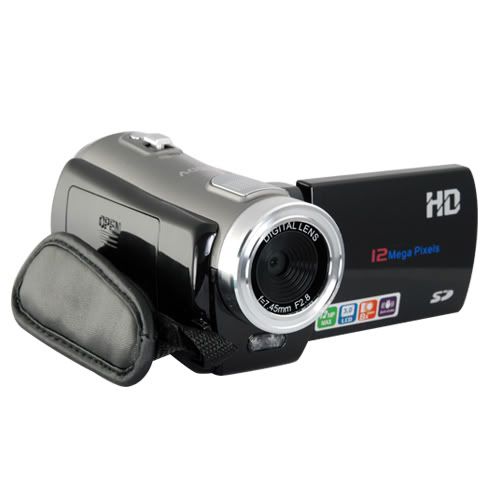
After we had done our planning and decided on what we was going to do we had to start filming our 60 second piece. Our teacher gave us a brief introduction of the equipment we were going to be using, this included: 


Tripod:                                                                  Camera:


We picked our camera and tripod so we could start filming and get to grips with the equipment. This was because none of us knew how to set-up the camera or the tri-pod at first so we needed practice before we went ahead. 
After this we then went on to filming our scenes using what we know about editing and filming. We followed the plans from our brainstorm and shot list however we did face some problems on location. 
Furthermore after we finished filming we then had to be shown how to take the raw footage off the camera and put on to the computer ready to edit in Premiere Pro. When we started to go through our footage we noticed we would have to re-take some scenes as even though we thought we had everything we need some of the shots have errors in them such as top of the heads cut off, or camera jolts. This made us realise how hard it really was and how much effort we would have to put into completing this task at a high standard to meet the target grades.

Problems We Faced
Some of the problems we faced during our first shoot were:

  • availability of actors and location - this was hard as we had to film our scenes in the school and we wanted to base our scene in the cafe, however this was a very busy place and luckily it wasn't too busy at the time and we luckily manages to acquire some willing actors to take part.
  • gathering of actors - we had to find people willing to take part in our filming as some people were shy and some people were busy at the time.
  • lighting, due to our time schedule in the day - for example on the day it was especially bright and we had our scene based by one of the tables which was by the window and we then had to put down the blinds to stop the sun from getting in to our shots, however this still didn't provide the best lighting
  • noise, because was set in a busy cafe in our school - this was extremely annoying and impossible to control as it was a public cafe in the school where there were other people in their leisure talking etc. and this was leaked into the clips.
  • our knowledge of use of the equipment- e.g. zooming, positioning, tripod set up etc. - this we found hard as we didn't have any knowledge on the use of any of the technology

Solutions
Some of the ways we got past our problems:

  • We managed to find willing actors that were free and could participate in our task, and we managed to re-shoot scenes that we needed around their schedule and meet up when they were free to get the shots we needed.
  • For the lighting we decided to put the blinds down to reduce the light which helped the lighting however we couldn't control it well.
  • Noise level was impossible to control and we couldn't do much about it but we tried to film at times when there wasn't much talking.
  • We then found out how to use the equipment properly and slowly learnt what was the proper things to do by getting shown and getting used to the technology.